

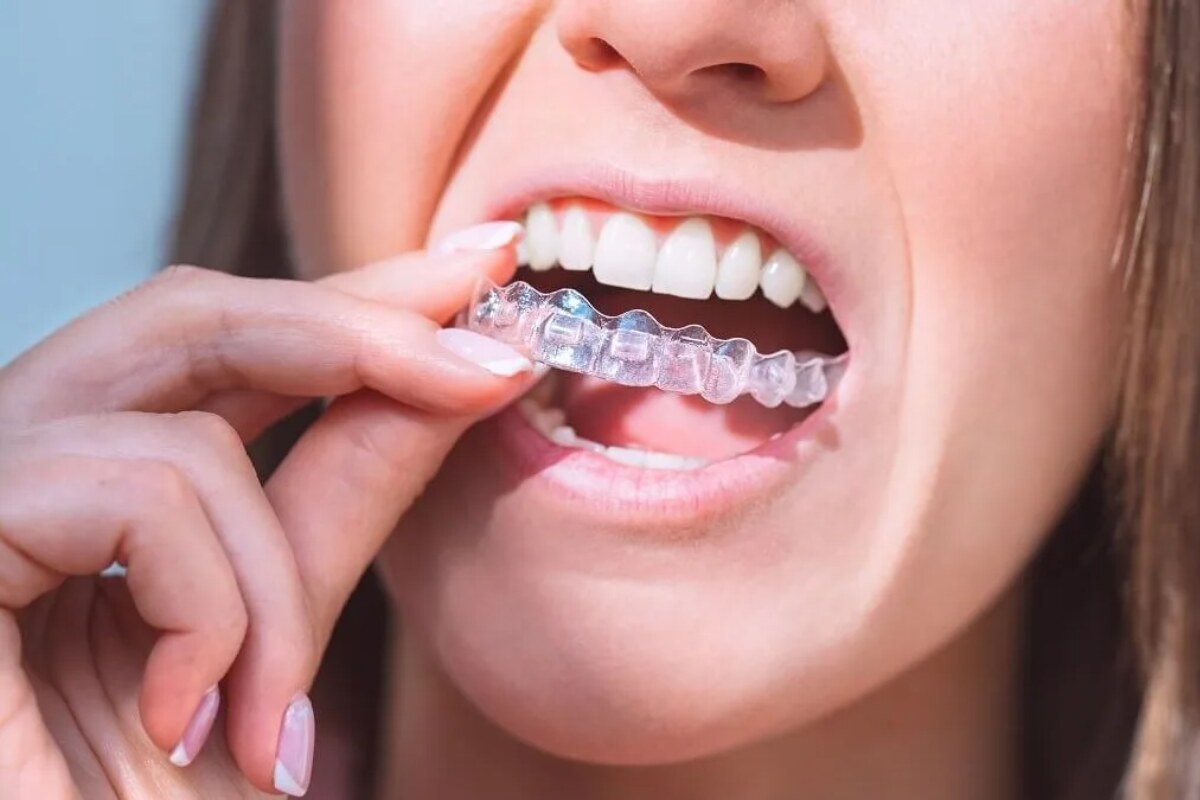
What makes Invisalign a good option for straightening teeth? If you want a discreet and effective way to straighten your teeth, Invisalign may be the answer. At a dental clinic in Airdrie, patients can see how clear aligners gently move teeth into the correct position without the look or feel of traditional braces. Invisalign is popular among both teens and adults, offering a comfortable, convenient alternative to metal braces.
The treatment is not only cosmetic; it can also improve your bite, oral hygiene, and overall dental health. Understanding what Invisalign is and how it works helps patients feel confident about starting their journey to a healthier, straighter smile.
How Invisalign Works: Step by Step
With the help of custom-made clear plastic aligners that gradually shift your teeth into the correct position, Invisalign in Airdrie straightens teeth. What should you expect during the procedure?
- Initial Consultation: The dentist examines your teeth, bite, and oral health to see if you need it.
- Digital Scan & 3D Model: Your teeth are scanned precisely to produce a 3D model, allowing your dentist to design the exact movements of your teeth.
- Custom Aligners: Each aligner is slightly different and gradually moves teeth. These aligners are comfortable, removable, and nearly invisible.
- Wearing Aligners: Wear them 20–22 hours a day, removing them only to eat, drink (except water), brush, and floss.
- Changing Aligners: Switch to a new set every 1–2 weeks to move teeth slowly and safely.
- Checkups: Regular dentist visits make sure your teeth are moving correctly.
- After Treatment: Once treatment is complete, wear retainers to keep your new smile in place.
By following this step-by-step process, you can achieve the predicted results with greater flexibility and comfort than with traditional braces.
Benefits of Invisalign Compared to Traditional Braces
Many adults wonder whether Invisalign is better than traditional braces. Here’s how Invisalign vs traditional braces for adults compare:
- Appearance: Invisalign aligners are clear, making them hard to notice.
- Comfort: The smooth plastic doesn’t hurt your lips or cheeks like braces can.
- Take out easily: You can remove them whenever you want to eat, drink, brush, or clean your teeth.
- Fewer problems: No metal wires or brackets to break, so you have fewer unexpected dentist visits.
- Predictable planning: Advanced software simulates your treatment so you can see expected results before you start.
While braces are effective for complex cases, Invisalign is highly effective for mild to moderate misalignment, spacing issues, and bite adjustments.
How Long Does Invisalign Treatment Take?
A common question patients ask is, “How long does Invisalign treatment take?” Treatment duration varies by individual dental needs and typically ranges from 12 to 18 months. Factors that affect treatment duration include:
- Severity of crowding or spacing
- Bite misalignment
- Patient compliance with wearing aligners for 20–22 hours daily
- Frequency of follow-up visits
Most patients notice visible improvements within a few months, making Invisalign a fast and efficient option for many adults.
Caring for Your Aligners and Teeth
Oral hygiene is essential during Invisalign treatment. Here’s how to keep your aligners and teeth in great shape.
- Brush your teeth and floss before using your aligners.
- Wash your aligners with soap and lukewarm water.
- Only drink water while wearing your aligners; otherwise, food is off limits.
- Return the aligners to the case when not using them.
- Regular dental appointments will keep you in check.
If you take proper care of your aligners, they will help improve your teeth.
What to Expect During Invisalign Treatment
It is easier to get through your Invisalign treatment when you know what to expect.
- Mild Discomfort: Your teeth may feel sore for a day or two after the new aligner set is placed.
- Speech Adjustment: Your speech might have a slight lisp, but most patients get used to that.
- Predictable Progress: Your dentist provides a schedule for aligner changes.
- Monitoring Results: Regular appointments enable minor adjustments to ensure optimal results.
By following the treatment plan and wearing aligners consistently, most patients achieve their desired results without the inconvenience of metal braces.
Who is a Good Candidate for Invisalign?
Invisalign works well for both teens and adults. Candidates for Invisalign include those who have:
- Mild to moderate crowding
- Gaps or spacing between teeth
- Overbite, underbite, or crossbite issues
- Desire for a discreet, comfortable orthodontic solution
A dental clinic near you can evaluate your teeth and determine whether Invisalign is the right option based on your unique dental needs.
Ready to Start Your Invisalign Journey?
Invisalign offers a modern, convenient, and discreet way to achieve a straight, healthy smile. Understanding what Invisalign is and how it works, the step-by-step process, and proper aftercare helps patients stay informed and confident throughout their treatment journey. Book an appointment today at Airdrie Choice Dental and take the first step toward a straighter, more confident smile.
FAQs
Can I eat normally while on Invisalign?
Yes. Since aligners are removable, you can eat whatever you want at mealtimes. Before consuming anything other than water, remove your aligners. When it’s time to put them back in, brush your teeth to maintain oral health.
Will Invisalign interfere with my speech?
You might notice a slight lisp in speech. Most people find that their speech returns to normal within a few days once their tongue adjusts to the aligners.
How often should I replace my aligners?
New aligners typically get changed every 1 to 2 weeks; your dentist will advise. It is essential to follow the timetable, as each set moves your teeth closer to your desired position.
Does Invisalign hurt?
It is normal to feel mild pressure or soreness when you first get a new aligner, but it’s generally much more comfortable than braces. Most discomfort typically goes away after a day or two as your teeth adjust to being better aligned.