

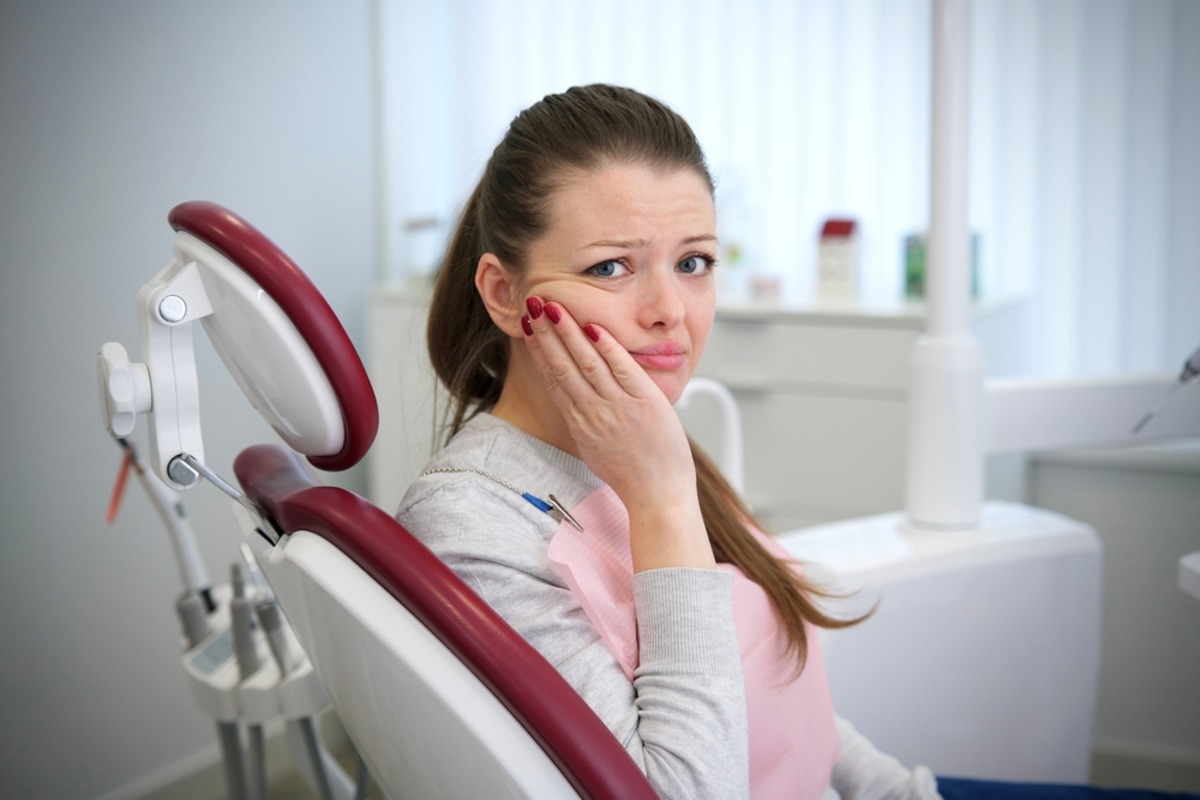
If your dental bridge hurts when you bite down, something is not working the way it should. The bridge might be sitting too high, not fitted right, or there could be a problem underneath it. Good news—most of these issues can be fixed with a quick visit to your dentist. Many people who have dental bridges in Airdrie deal with this same problem, and it happens often enough that dentists at a dental clinic near you know exactly how to help.
What Is a Dental Bridge?
A dental bridge is a fake tooth that fills a gap where a real tooth is missing. It sits on top of the teeth next to the gap and gets held in place by those teeth. When you bite down, all the pressure from chewing goes onto these supporting teeth and the bridge.
Imagine a bridge over a river. If one side isn’t level, the whole thing feels shaky. Your dental bridge works the same way. When it’s not lined up just right, you feel pain when you chew.
Read this blog further to know, “What causes pain under a dental bridge?”
Why Is My Dental Bridge Painful When Chewing
The Bridge Is Too High
The most common reason for pain is that your bridge sits higher than your other teeth. When you bite, your teeth hit the bridge before they hit your other teeth. This sends all the pressure to one spot, and that spot hurts.
The fix is simple. Your dentist in Airdrie can cut down a tiny bit of the bridge to make it even with your other teeth. This takes just a few minutes.
Something Is Wrong Underneath
Sometimes the real problem hides under the bridge. There might be decay or an infection in the tooth under the bridge. When you bite down, pressure pushes on this sore spot, and you feel sharp pain. Your dentist can use X-rays to see what’s hiding under there.
Your Bridge Has Come Loose
Bridges don’t stay perfect forever. Over time, they can slip or come loose from the teeth holding them up. When this happens, the bridge wiggles a little when you chew. That tiny movement causes pain.
A loose bridge can be glued back down or replaced if it’s too damaged.
Your Bite Has Shifted
After you get a bridge, the way you bite sometimes changes without you knowing it. You might start chewing more on one side of your mouth. Or your jaw might move in a slightly different way. This puts extra pressure on the bridge in places it wasn’t built to handle.
What Happens Under Your Bridge
The space under your bridge can become uncomfortable for a few reasons. If food gets stuck under the bridge a lot, it can irritate your gums. When your gums are red and swollen, biting down hurts because that tissue is already sore.
The teeth supporting your bridge can also get bruised from too much pressure. Just like any part of your body, teeth need rest. Too much force without a break makes them sore. Usually this pain goes away in a few days, but tell your dentist if it doesn’t.
Important: When to Call Your Dentist
Do not ignore the pain. Pain is your body’s way of saying that something needs to be repaired. Big problems could occur from ignoring small matters over time. If you come visit now, it will be an easy job later.
If your pain is sharp and happens suddenly, call your dentist right away. If it’s a dull ache that comes and goes, make an appointment within a week. Either way, get it checked out.
What Your Dentist Will Check
Your dentist will look at your bridge very carefully. They will see how it lines up with your other teeth. They will touch different areas to find exactly where the pain comes from. X-rays will show them what is happening underneath.
Then your dentist will do one or more of these things:
- Make the bridge lower so it is level with other teeth
- Smooth out any rough spots
- Glue a loose bridge back down
- Check for decay or infection underneath
- Talk about getting a new bridge if this one is too old
How to Feel Better Until Your Appointment
While you wait to see your dentist, be careful with your bridge. Chew soft foods on the side of your mouth that does not have the bridge. Do not use your teeth to open packages or bottles. Clean around the bridge gently with special floss.
Stay away from hard foods, sticky foods, and very hot foods. These can make the pain worse.
Feeling Better Soon
Pain from a dental bridge is something that can be fixed. Your dentist has helped many people with this exact problem. Do not feel shy about telling your dentist about the pain. They want to help you get back to eating and smiling without worry.
Getting Back to Normal
A painful dental bridge does not have to stay painful. In most cases, the answer is quick and easy. Your dentist can find out exactly what is wrong and make it better. You should not have to stay away from your favourite foods or feel scared to bite down.
If you are having this problem, Airdrie Choice Dental is here to help. The team there knows all about dental bridges and takes the time to listen to what you are going through. You can get relief, feel comfortable again, and start enjoying eating the way you should. Book an appointment and take the first step toward feeling better.
FAQs
Can a dental bridge become loose and painful?
Yes. A loose bridge moves when you bite it, and that is painful. Repositioning it with specialized adhesive usually results in quick pain relief.
What if my pain started months after I got the bridge?
Bridges can shift slowly over time from all the chewing you do. Problems can also start under the bridge as time goes by. Your dentist needs to check to see what changed.
Is some pain normal when you first get a bridge?
A little soreness for a few days is normal, but sharp pain is not. If it really hurts, call your dentist sooner rather than later.
Can I fix this at home by myself?
No. Only a dentist should adjust your bridge. If you try to fix it yourself, you might break it and make it cost more to repair.