

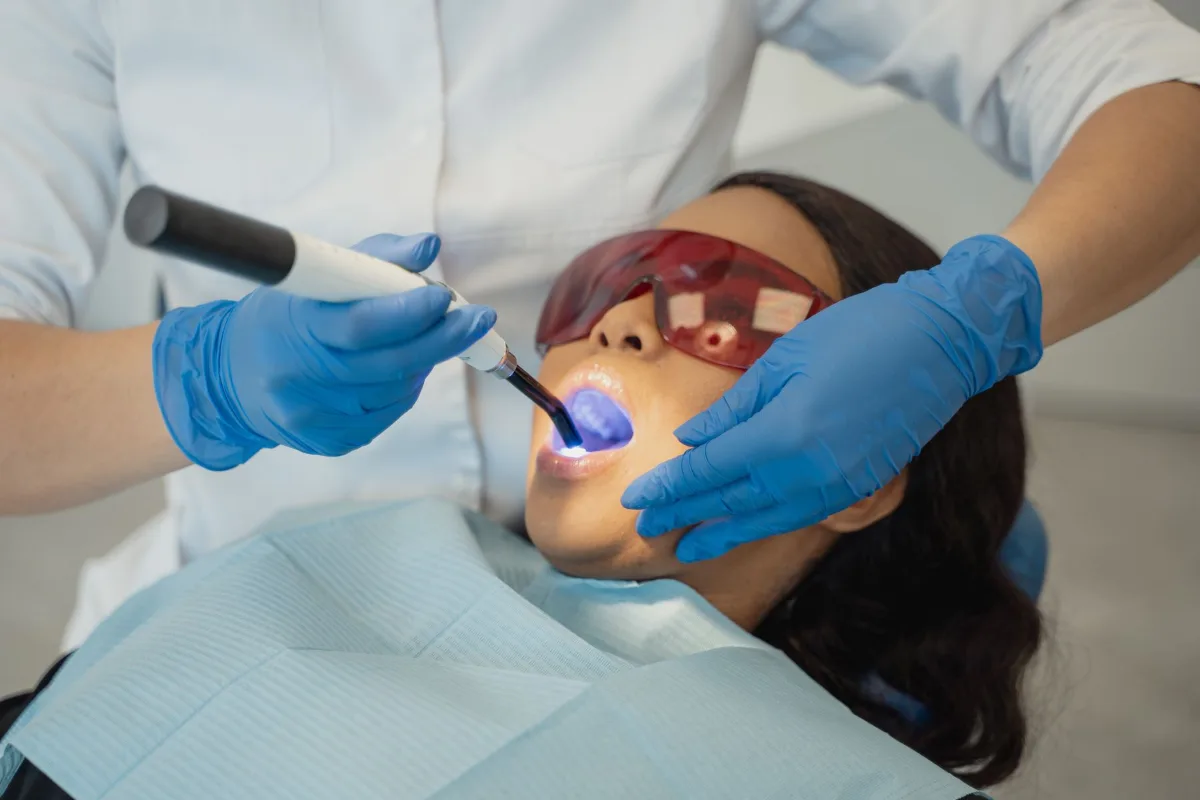
Your tooth may still hurt after a filling if the nerve was irritated during treatment. Even a sip of cold water might feel uncomfortable, or you may notice soreness when chewing. Mild sensitivity often improves within a few days. If you’ve recently had dental fillings in Airdrie, you may wonder why the tooth still hurts when the cavity has already been repaired.
A filling repairs the damaged area, but the tooth may need time to settle. Sometimes, the discomfort comes from how the filling fits when you bite. Understanding the difference can help you decide whether to wait or arrange another appointment.
Why Does My Tooth Hurt After Getting a Filling?
Several things can cause discomfort after treatment. What triggers the pain often helps identify the reason.
Temporary Nerve Irritation
Inside your tooth is soft tissue called the pulp, which contains nerves and blood vessels. Removing decay can irritate this tissue, especially when the cavity is deep.
You may notice a quick twinge when drinking something cold. This should gradually become less noticeable.
A Filling That Feels Too High
Does your filled tooth touch first when you close your mouth? Even a slightly raised filling can put extra pressure on the tooth. You might feel comfortable until you start chewing.
Your dentist can check the filling and adjust its height if needed.
A Deep Cavity
A deep cavity can leave your tooth sensitive after treatment. You may still feel an ache several seconds after drinking cold water.
If the pain persists or worsens, have your dentist examine the tooth.
Tender Gums or Jaw Muscles
Your gum may feel sore around the injection site. Your jaw might also ache after staying open during treatment. This type of soreness usually improves within a few days.
How Long Should a Tooth Hurt After a Filling?
Recovery varies depending on the tooth and the depth of the cavity. Some people feel better within days. Others experience sensitivity for a few weeks, particularly after deeper fillings. What’s important is whether the discomfort is improving.
Perhaps cold drinks bothered you yesterday, but today you only notice a slight twinge. That’s generally more reassuring than pain that becomes stronger. If the tooth continues hurting or the discomfort interrupts your sleep, contact your dentist.
Is It Normal for a Tooth to Hurt After a Filling?
Mild sensitivity can be part of recovery. However, certain symptoms deserve attention.
What Is Normal After a Filling?
- Brief pain from cold drinks
- Tenderness when chewing
- Soreness that slowly fades
When Should You Be Concerned?
- Pain that keeps getting worse
- Sharp pain when biting
- Aching long after hot or cold drinks
- Throbbing that wakes you up
- Swelling, fever, or a bad taste
The filling isn’t always the problem. Your dentist may need to check your bite or examine the nerve.
Seek prompt dental care for swelling with fever. If swelling affects breathing or swallowing, seek emergency medical help.
What Can You Do to Ease the Discomfort?
While your tooth recovers, a few adjustments may make eating more comfortable:
- Choose softer foods: Avoid hard foods that make chewing painful.
- Avoid temperature triggers: Try lukewarm drinks if cold beverages cause sensitivity.
- Chew on the other side: Give the treated tooth a temporary break.
- Continue brushing: Use fluoride toothpaste and clean gently around the filling.
- Ask about pain relief: Your dentist or pharmacist can recommend suitable medication.
Wait until the numbness wears off before eating to avoid accidentally biting your cheek or tongue.
When Should You Return to Your Dentist?
Perhaps your tooth felt fine after treatment, but now it hurts whenever you bite into a sandwich. A dentist in Airdrie can check whether the filling is too high, examine the tooth for cracks, and assess the nerve.
Sometimes a small bite adjustment is enough. If the pulp is severely inflamed or infected, root canal treatment may be necessary.
If you’re looking for a dental clinic near you, arrange an examination when pain persists or worsens.
Can You Avoid Sensitivity After a Filling?
A deep filling may leave your tooth sore for a while. If your bite feels uneven, let your dentist know rather than trying to fix it yourself.
Keep brushing with fluoride toothpaste and flossing daily. Regular checkups can catch cavities before they grow deeper.
Find Out What Is Causing Your Tooth Pain
Some sensitivity after a dental filling is normal, but pain that persists or worsens should not be ignored. If your tooth hurts when eating, drinking, or biting down, contact Airdrie Choice Dental to schedule an appointment. Our team can check the filled tooth, identify the cause of the discomfort, and explain the next steps to help you return to your daily routine comfortably.
FAQs
Can a new filling make my tooth sensitive to cold?
Yes. The tooth’s nerve may still be irritated, but the sensitivity often fades.
Why does my filling hurt when I bite down?
The filling might sit too high. A cracked tooth or an irritated nerve could also be responsible.
Can tooth pain after a filling go away on its own?
Mild sensitivity often improves. Persistent or worsening pain needs examination.
Does pain after a filling mean I need a root canal?
Not necessarily. Root canal treatment may be needed if the pulp is irreversibly inflamed or infected.